Most people picture the same thing when they hear "protection dog": something large, tense, and barely restrained. That image describes a liability, not a protection dog. The defining quality of an elite protection animal is not aggression — it is control. A dog that cannot be switched off is not a security asset. It is an incident waiting for a date.
Guard dog versus protection dog
A guard dog reacts. It barks at the fence line, warns off the postman, and its owner hopes that is enough. Its behaviour is driven by territory and by nerves, and it is largely unmanaged.
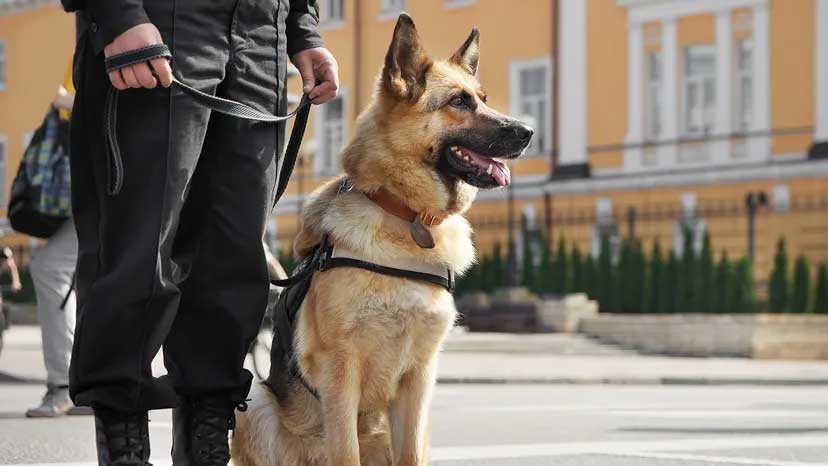
A protection dog operates on command and on trained thresholds. It walks past strangers in a shopping centre without a glance, settles under a restaurant table, tolerates being handled by a vet, and engages only when the handler directs it or when a genuine, trained trigger occurs. Then it disengages the instant it is told to.
The difference is not size or breed. It is thousands of repetitions of controlled work.
Temperament: what the dog is made of
Selection precedes everything, and the traits that matter are frequently the opposite of what buyers expect.
Confidence, not reactivity. A truly confident dog is calm. Dogs that bark at everything are usually insecure — and insecure dogs bite the wrong person at the wrong moment.
High threshold. The dog should require significant, unambiguous provocation to engage. A low-threshold dog that fires at a raised voice or a jogger is unusable in public.
Clear-headedness under stress. The test is not whether a dog will engage. It is whether it can still hear and obey its handler while engaged. That is the single hardest thing to breed and train for.
Fast recovery. After a confrontation, a sound dog returns to neutral within seconds. A dog that stays wound up for the rest of the day is not ready for family life.
Social stability. Elite protection dogs live in homes, around children, guests, and other animals. Environmental and social soundness is not a bonus feature — it is the prerequisite.
The half that matters most: the out
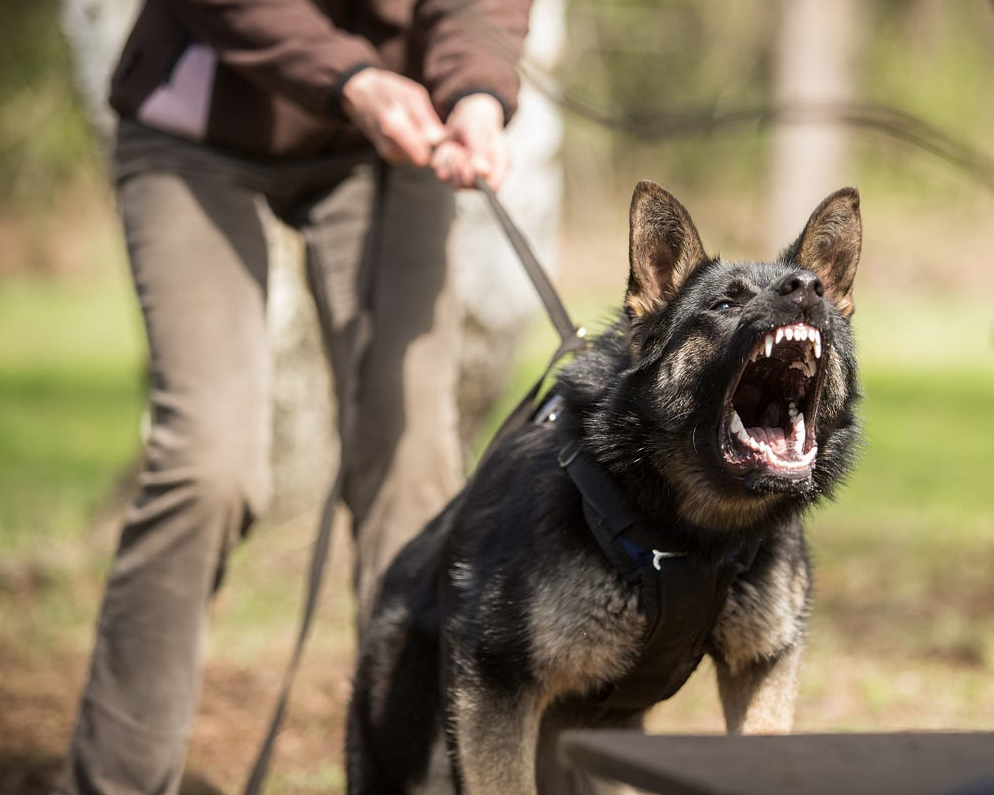
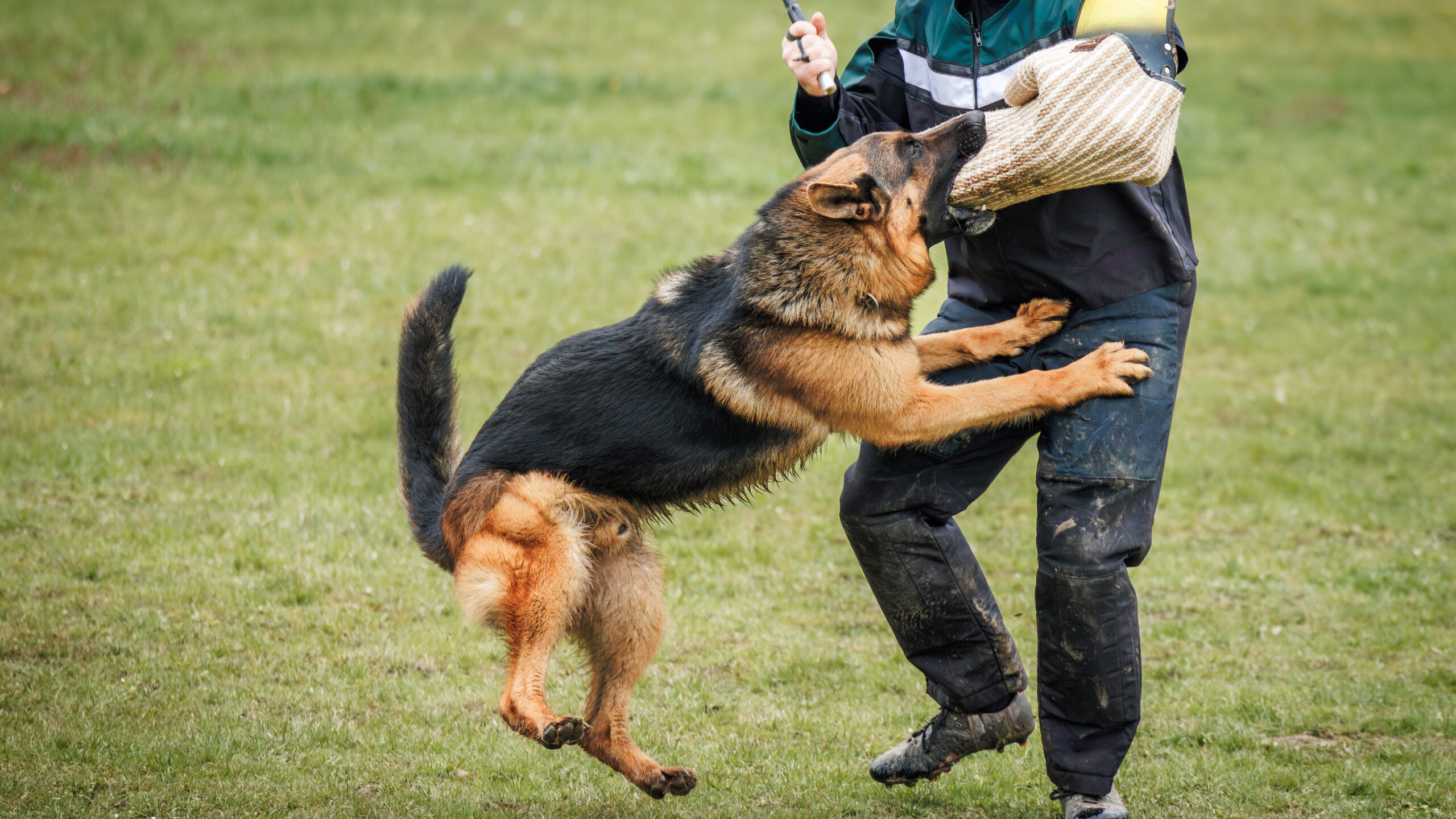
In professional circles, a protection dog is judged by its release, not its bite. Teaching a driven dog to engage is comparatively straightforward. Teaching it to stop instantly, every time, under adrenaline, is the work of months and the thing that separates a genuine programme from a fortnight of decoy work in a field.
Alongside it sit discrimination — the dog must distinguish a threat from an enthusiastic relative, a delivery driver, or a child running toward the handler — and obedience under load, meaning the dog remains directable while fully switched on.
Breeds
The German Shepherd remains the archetype: substantial, biddable, and socially adaptable. The Belgian Malinois offers more speed and intensity, but demands an experienced owner and a serious exercise commitment. Rottweilers and Dobermans bring presence and strong deterrent value with generally lower drive. The Cane Corso and Bouvier des Flandres suit owners wanting a calmer, more property-oriented temperament.
Suitability is individual. A poorly bred Malinois is a worse choice than a well-bred anything.
Legal reality
A protection dog is a legal exposure as much as a security asset. Before purchase, understand your jurisdiction's rules on dangerous and restricted breeds, registration and enclosure requirements, muzzle and lead obligations in public, and — critically — where the line sits between lawful defence and an offence. Owner liability for a dog's actions is typically strict. Insurance should be reviewed and disclosed accurately.
Any provider unwilling to discuss this frankly is a provider to walk away from.
What to ask before you buy
Ask for the dog's health screening and pedigree. Ask to see it worked by a stranger, not just its trainer. Ask for the release demonstrated repeatedly, from full engagement. Ask to take it somewhere public — a car park, a café — and watch it ignore the world. Then ask what handler training and maintenance schedule comes with it, because a trained dog handed to an untrained owner regresses within months.
Elite protection is a partnership, and it is bought as one.
RELATED POSTS
Detection Dogs: The Ultimate Guide to K9 Detection Work
Working Line vs Show Line: Understanding the Critical Differences