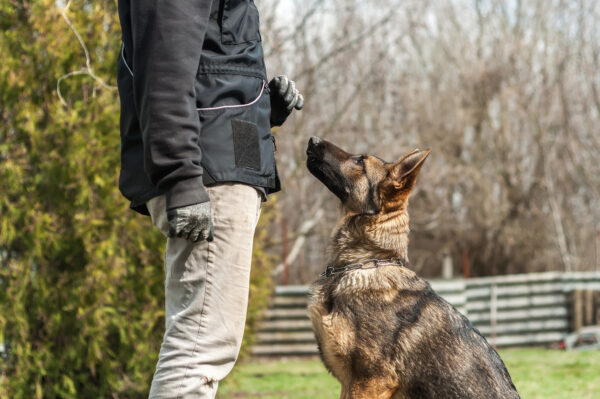
There is a persistent assumption that working line dogs are too much for a family home — too driven, too intense, too serious to live with children and school runs and a sofa. It is half right, and the half it gets wrong is the important part.
A well-bred working line dog raised properly is often the most stable, most trainable, most genuinely trustworthy family dog you will ever own. But it arrives with conditions attached, and honesty about those conditions is what separates a good placement from a dog rehomed at eighteen months.
What "working line" actually means
Within breeds like the German Shepherd, Belgian Malinois, and Dutch Shepherd, breeding has split into two broad directions.
Show lines are bred primarily to a conformation standard — structure, coat, movement in the ring. Working ability is secondary and, in some lines, has been substantially diluted.
Working lines are bred on performance. Parents and grandparents are typically titled or certified in protection sport, detection, police, or military service. Selection pressure sits on nerve strength, drive, health, and biddability rather than appearance.
The practical result is a dog with a functioning brain that expects to be used.
Why they can be outstanding with families
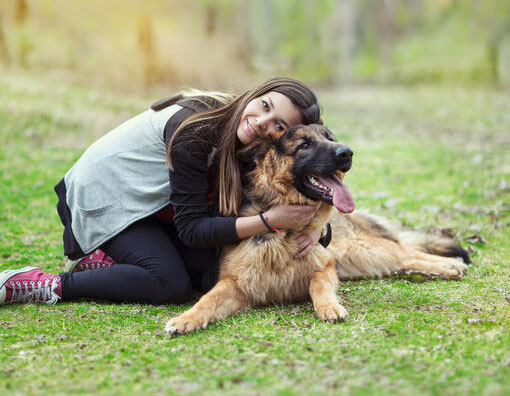
Nerve strength. This is the trait that matters most and the one people never ask about. A dog with strong nerves is not startled into reacting. It is neutral around noise, crowds, unfamiliar people, and chaos — which is to say, around family life. Many bites from family dogs come from insecure animals that felt cornered. Sound working stock is bred specifically against that.
Biddability. Working lines are selected to want to work with a person. That handler focus translates directly into a dog that is easy to train, easy to recall, and genuinely interested in what you are doing. It is a very different experience from managing a dog that regards you as background scenery.
Clarity, not suspicion. Good working line temperament is confident and open — the dog assesses rather than reacts. Natural protective instinct is present and real, but it expresses as awareness and presence, not hair-trigger territoriality.
Resilience. These are physically and mentally robust dogs. They cope with travel, noise, visitors, moves, and the general disorder of a household with children in a way that more delicate lines often do not.
An off switch. This surprises people. Properly bred and properly exercised, a working line dog is typically calm indoors. The intensity is available on demand rather than running constantly. A dog that paces and whines in the house is usually under-exercised, under-stimulated, or poorly bred — not "too working line."
The honest cost
The balance only holds if the owner holds up their end.
Physical exercise, daily, non-negotiable. Not a lap of the block. Real running, and ideally structured activity, in the order of an hour or more.
Mental work. This is the part most owners underestimate. Scent games, obedience sessions, puzzle feeding, tracking, and trick training tire a working dog faster than distance running does. Twenty focused minutes beats an aimless hour.
Consistency. These dogs learn extremely quickly, which means they learn your bad habits just as fast as your good ones. Whatever you permit becomes policy.
An outlet. IGP, mondioring, obedience, agility, tracking, detection sport, canicross — something. A working line dog with no job appoints itself one, and its choices are rarely convenient.
The first two years. Adolescence in these breeds is demanding. Expect testing, expect regression, and expect to keep working through it. Owners who quit at fourteen months are the reason the "too much for a family" reputation persists.
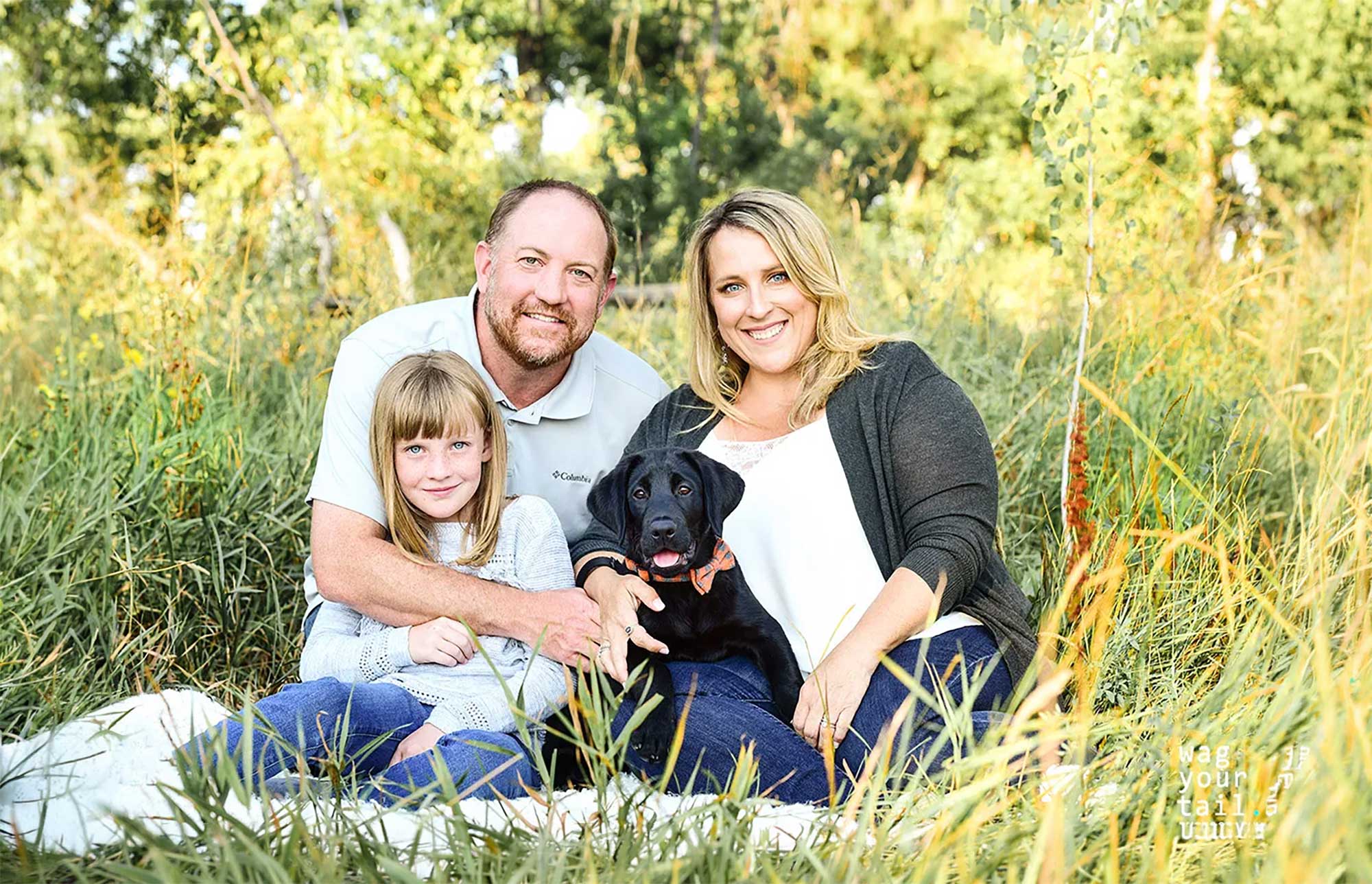
Who this suits - and who it doesn't
Look for a breeder who asks you more questions than you ask them. Ask about hip, elbow, and cardiac screening, and about the temperament of the mother specifically - puppies learn enormously from her. Meet the parents if you possibly can. Be direct that you want a lower-drive, family-suitable pup from the litter; good breeders match individuals to homes and will steer you away from the most intense puppy in the box, which is exactly what you want them to do.
Also consider a started or adult dog. A well-raised eighteen-month-old with foundation training in place, whose temperament is already visible rather than predicted, is often a far better outcome for a family than a puppy — and it skips the hardest phase entirely.
The balance
The phrase "perfect balance" is earned, not given. What working lines offer is a dog whose stability, trainability, and natural awareness are the product of generations of deliberate selection — and that same breeding is precisely what makes it a demanding dog to own badly.
Meet the requirements and you get an exceptional family companion that happens to be genuinely capable. Ignore them and you get a very intelligent, very athletic problem.
Elite K9 provides trained detection dogs, handler instruction, and ongoing maintenance training. Contact us to discuss your requirements.
RELATED POSTS
Detection Dogs: The Ultimate Guide to K9 Detection Work

Family Dogs from Working Lines: The Perfect Balance